Welcome, fellow Death Note enthusiasts! You've landed here seeking to understand "Nami in Death Note explained," hoping to uncover her significance and contribution to this intricate, psychological thriller. As editorial leads, we love diving deep into every corner of Tsugumi Ohba and Takeshi Obata's masterpiece. However, before we embark, let's address a crucial detail upfront: within the established canon of the Death Note manga and its 37-episode anime adaptation, a character explicitly named 'Nami' does not appear.
But don't let that deter your curiosity! The search for 'Nami' might stem from a desire to understand the impactful, often tragic, roles played by various individuals – both male and female – who found themselves caught in the deadly game orchestrated by Light Yagami, the Death Note, and the Shinigami Ryuk. Perhaps you're thinking of a character with a similar-sounding name, like the skilled FBI agent Naomi Misora, or you're curious about the ultimate fates of other significant female characters like Misa Amane, or even the broader human element amidst the supernatural chaos.
This super pillar hub is designed to illuminate the profound significance and contributions of all key players to Death Note's overarching narrative, particularly as it culminates in one of anime's most debated and impactful conclusions. We'll explore how these characters' actions and philosophies shaped the very fabric of the series, leading to its dramatic end.
The Architect of a New World: Light Yagami's Journey and Downfall
At the heart of Death Note lies Light Yagami, a brilliant yet disillusioned high school student who discovers the supernatural notebook. Empowered by the Death Note, Light transforms into "Kira," aiming to purge the world of criminals and establish himself as the "God of the New World." His journey is one of escalating ambition and moral decay, a compelling central conflict that drives the entire series. Understanding Light is paramount to grasping Death Note's core themes, and his ultimate fate is the dramatic conclusion of his quest for absolute power. To truly grasp the culmination of his grand design and the intricate events that led to his demise, you'll want to explore how Light Yagami met his end.
L's Enduring Legacy: The Genius Detective's Impact
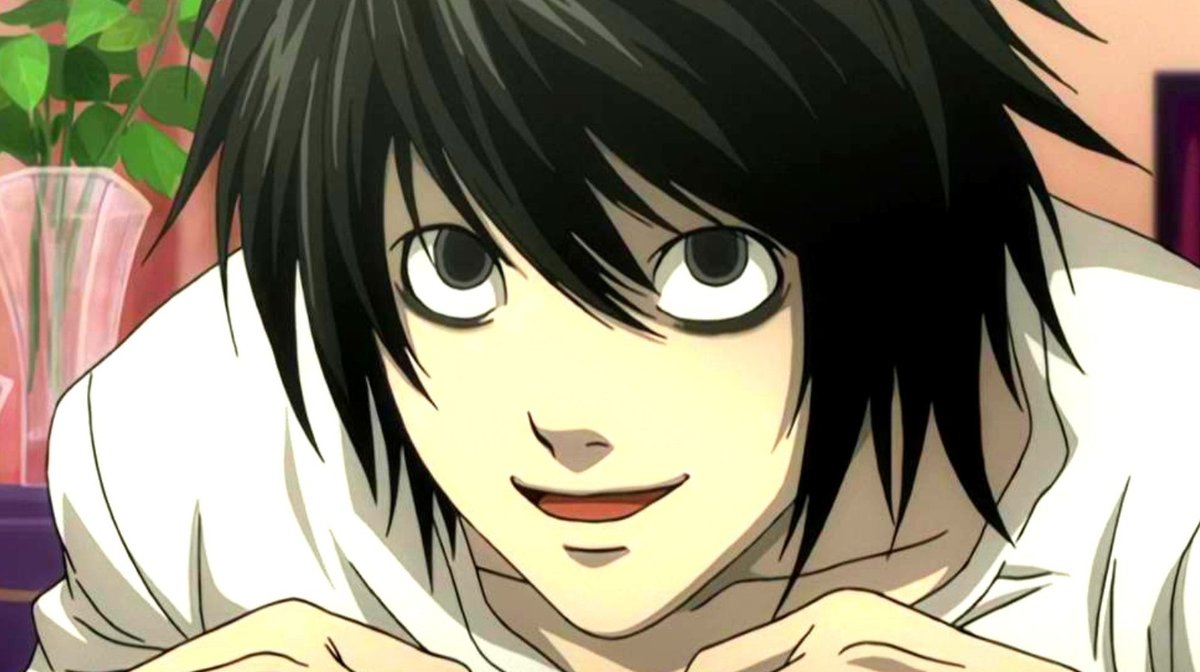
No discussion of Death Note is complete without acknowledging L Lawliet, Light's eccentric and equally brilliant adversary. L's relentless pursuit of Kira forms the backbone of the series' early and most iconic arcs. His strategic mind and unique methods challenged Light at every turn, creating a psychological chess match that captivated audiences. Although L's critical role in the series ends with his death in episode 25, his influence reverberates throughout the remainder of the story. His dedication to justice, even in death, sets the stage for his chosen successors, Near and Mello, to continue the hunt for Kira. His shadow looms large, proving that true genius leaves an indelible mark. Dive deeper into the enduring impact of L's genius and how his vision for justice carried on through others.
The Successors: Near and Mello's Collaborative Hunt for Kira
Following L's untimely death, the complex task of exposing Kira falls to his successors, Near (Nate River) and Mello (Mihael Keehl). These two characters, though vastly different in their approaches, represented L's enduring legacy. Near, calm and analytical, favored meticulous planning, while Mello, impulsive and driven by emotion, often resorted to more dangerous, direct action. Their combined efforts, sometimes in opposition and sometimes inadvertently in concert, gradually tightened the net around Light. The final confrontation between Light and Near, a masterclass in strategic maneuvering, ultimately hinges on the actions of those both close to and manipulated by Kira. Their stories highlight that the fight against absolute power often requires diverse tactics.
Shinigami's Whim: Ryuk's True Role and the Supernatural Element
Ryuk, the Shinigami who initially dropped the Death Note into the human world out of sheer boredom, is a pivotal figure throughout the series. Far from being a mere catalyst, Ryuk acts as a neutral observer, a detached commentator on Light's descent into madness. He offers no moral judgments, only amusement, making it clear that his loyalty lies solely with his own entertainment and the eventual collection of Light's soul. His presence constantly reminds viewers of the supernatural forces at play, framing Light's human ambitions within a larger, more ancient cosmic order. Ryuk's ultimate action in the final moments of the series is a cold, stark reminder of his true, self-serving nature. Unpack the chilling implications of Ryuk's ultimate loyalty (or lack thereof) and how he truly served as the final arbiter of fate.
The Supporting Cast: Integral Pieces in Kira's Game
Beyond the primary figures, a multitude of supporting characters played crucial, often tragic, roles in the unfolding drama. Individuals like Misa Amane, Light's fervent admirer and a fellow Death Note user; Teru Mikami, a fanatical Kira supporter chosen as Light's proxy; and members of the Japanese Task Force such as Matsuda, who struggled with the moral ambiguities of the case, all contributed significantly to the narrative's complexity. Their actions, motivations, and ultimate fates—whether manipulated, sacrificed, or driven by their own sense of justice—collectively shaped the progression towards the dramatic conclusion. Each character serves as a mirror reflecting the various ways humanity reacts to absolute power and the concept of a "new world."
The Final Confrontation: Light's Exposure and Thematic Resonance
The climax of Death Note is a meticulously planned confrontation in a secluded warehouse, where Light Yagami, confident in his untouchable status, faces off against Near and the SPK. The sequence of events, involving carefully placed fake Death Notes and the manipulation of Teru Mikami, leads to Light's ultimate exposure. This moment, where Light's facade shatters and his desperation takes over, is a powerful symbolic defeat for his tyrannical ambition. His subsequent death at the hands of Ryuk—fulfilling an earlier promise—serves as the definitive end to his reign as Kira. This ending is rich with thematic resonance, exploring the destructive consequences of unchecked power and the inevitable fall of those who seek to "play God."
Enduring Debates: Why the Ending Continues to Spark Discussion
The conclusion of Death Note remains one of the most widely debated endings in anime and manga history. Many fans argue that the series lost its momentum after L's death, finding Near and Mello to be less compelling adversaries for Light. Others criticize Light's perceived decline in strategic brilliance in the latter half, suggesting his earlier tactical genius gave way to recklessness. The pacing, particularly in the anime's later episodes, also draws fire for feeling rushed. Yet, it's precisely these controversies that highlight the ending's enduring impact and the strong emotional connection fans have with the series. Understanding these various viewpoints is key to appreciating the full scope of Death Note's legacy. Delve into why the Death Note ending remains a hot topic and explore the myriad perspectives on its conclusion.
While "Nami" may not be a name you'll find etched in the pages of Death Note, the intricate web of characters, their profound contributions, and their ultimate fates offer a rich tapestry of human ambition, morality, and the chilling consequences of wielding unimaginable power. This story, regardless of specific character names, remains a timeless exploration of justice, control, and the fine line between hero and villain.